Empower Youth Through Film Media Literacy Education

Updated: May 26
In an age where visual storytelling dominates our daily lives, the ability to critically analyze and create media has never been more essential. Film media literacy education empowers youth to navigate the complex landscape of visual content, fostering critical thinking, creativity, and informed citizenship. This blog post explores the significance of film media literacy education and how it can transform the lives of young people.
Understanding Film Media Literacy
Film media literacy refers to the ability to access, analyze, evaluate, and create media in various forms, particularly film. It encompasses understanding the techniques used in filmmaking, recognizing the messages conveyed through visual storytelling, and developing the skills to produce one's own media content.
The Importance of Film Media Literacy
Critical Thinking Skills
Film media literacy encourages youth to think critically about the media they consume. By analyzing film techniques, narrative structures, and character development, students learn to question the motives behind media messages. This critical lens helps them discern fact from fiction, especially in an era of misinformation.
Creativity and Expression
Engaging with film allows young people to express their thoughts and emotions creatively. Whether through writing scripts, directing, or editing, students can explore their unique perspectives and share their stories with the world. This creative outlet can be particularly beneficial for those who may struggle to express themselves through traditional academic subjects.
Civic Engagement
Understanding media's role in society fosters a sense of civic responsibility. Youth equipped with film media literacy are more likely to engage in social issues, advocate for change, and participate in community discussions. They become informed citizens who can contribute meaningfully to public discourse.
Implementing Film Media Literacy Education
To effectively integrate film media literacy into educational settings, educators can adopt various strategies:
Curriculum Development
Creating a comprehensive curriculum that includes film analysis, production, and critical discussions is essential. This curriculum should cover:
Film History: Understanding the evolution of film and its impact on culture.
Genre Studies: Exploring different film genres and their conventions.
Technical Skills: Teaching students about cinematography, editing, and sound design.
Social Issues: Analyzing how films address topics like race, gender, and politics.
Hands-On Projects
Encouraging students to create their own films can solidify their understanding of media literacy. Projects can include:
Short Films: Students can write, direct, and produce short films that reflect their experiences or viewpoints.
Documentaries: Creating documentaries on local issues can help students engage with their communities.
Film Festivals: Hosting a film festival can showcase students' work and foster a sense of pride and accomplishment.
Collaboration with Local Filmmakers
Partnering with local filmmakers can provide students with real-world insights into the industry. Guest speakers can share their experiences, while workshops can offer hands-on training in various aspects of filmmaking.
Case Studies: Successful Filmmaking and Media Literacy Programs
Several organizations and schools have successfully implemented filmmaking and media literacy programs (not to be confused with film media literacy education) that have demonstrated a positive impact on youth.
The Media Literacy Project
The Media Literacy Project, based in New Mexico, provides resources and training for educators to teach media literacy. Their programs focus on empowering students to critically analyze media messages and create their own content. By incorporating film analysis into their curriculum, students have reported increased confidence in their ability to engage with media.
The Reel Stories Program
Reel Stories is a nonprofit organization that offers filmmaking workshops for young women. The program emphasizes storytelling and self-expression, allowing participants to explore their identities through film. Many graduates have gone on to pursue careers in media and film, showcasing the program's effectiveness in fostering creativity and confidence.
Challenges in Film Media Literacy Education
While the benefits of film media literacy education are clear, several challenges can hinder its implementation:
Limited Resources
Many schools lack the necessary resources, such as equipment and funding, to support film media literacy programs. Educators may need to seek grants or partnerships with local organizations to overcome these barriers.
Curriculum Overload
With standardized testing and rigid curricula, teachers may struggle to find time for film media literacy education. Integrating film analysis into existing subjects, such as English or social studies, can help alleviate this issue.
Resistance to Change
Some educators may be hesitant to adopt new teaching methods or incorporate film into their classrooms. Providing professional development opportunities and showcasing successful case studies can help build support for film media literacy education.
The Future of Film Media Literacy Education
As technology continues to evolve, the landscape of media consumption will change. Film media literacy education must adapt to these shifts by:
Embracing New Technologies
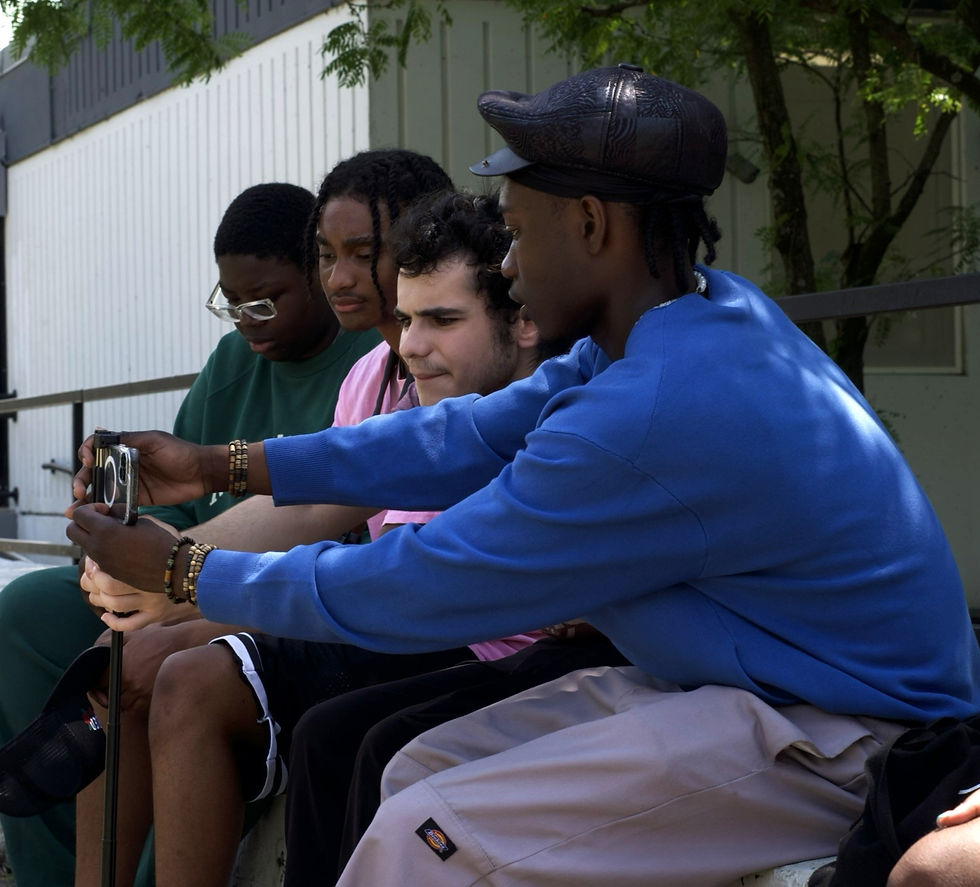
Incorporating digital tools and platforms into film media literacy education can enhance learning experiences. Students can use smartphones for filming, editing software for post-production, and online platforms for sharing their work.
Fostering Global Perspectives
Film is a universal language that transcends cultural boundaries. Encouraging students to explore international films can broaden their understanding of diverse perspectives and foster empathy.
Building Community Partnerships
Collaborating with local organizations, filmmakers, and media professionals can provide students with valuable resources and mentorship opportunities. These partnerships can enrich the educational experience and create pathways for future careers in media.
Conclusion
Empowering youth through film media literacy education is crucial in today's visually-driven world. By fostering critical thinking, creativity, and civic engagement, we can equip young people with the skills they need to navigate and contribute to the media landscape. As educators, parents, and community members, we must advocate for the integration of film media literacy into our educational systems, ensuring that the next generation is prepared to engage with the world around them thoughtfully and creatively.
The journey toward a more media-literate society starts with us. Let’s take the first step in empowering our youth through the transformative power of film.



Comments