Storytelling, Community, and the Unspoken Story

Updated: May 26

How Storytelling, Silence, Memory, and Community Shape What We See In Our Minds
The Lesson: How stories create meaning and how audiences fill in missing information.
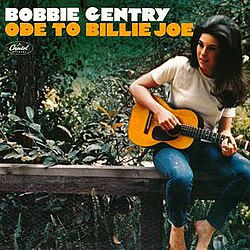
Ode To Billy Joe
“Ode to Billie Joe” is a 1967 Southern Gothic pop-country song written and recorded by American singer-songwriter Bobbie Gentry.
Released as her debut single, it became a worldwide hit and remains one of the most haunting narrative songs in American popular music, blending folk storytelling with subtle social commentary.
OWN THE STORY INTERACTIVE EXERCISE
EXPERIENCE STORYTELLING: CLOSE YOUR EYES
Listen to the song narrative and pay attention not only to what is spoken, but also to what remains unsaid.
Step #1
Press 'play' on the audio below.
Step #2
Close your eyes.
Step #3
Do not write anything down.
Do not search for explanations first.
Listen once.
Let the story paint pictures in your mind.
Essential Question: What does a community reveal about itself through the stories it tells—and the things it refuses to say?
Historical Setting
The song takes place in a rural Mississippi Delta community in 1967. In 1967, America was experiencing enormous social tension:
the Civil Rights era
racial conflict
changing gender roles
Vietnam War protest
cultural change
divisions between tradition and social transformation
Mississippi in particular, carried the weight of segregation, poverty, rigid social expectations, and deeply rooted cultural traditions.
The song places listeners inside an ordinary Southern family during an ordinary day:
People work in fields.
Family members gather for dinner.
Parents discuss everyday matters.
Then, almost casually, news emerges:
A local youth has jumped from a bridge.
Yet the conversation largely continues.
The routine of life continues.
Critical Analysis: What Makes This Song Powerful?
1. The real story may not be Billie Joe
Most listeners become obsessed with:
"What happened?"
"Why did it happen?"
"Who is responsible?"
"What was thrown off the bridge?"
But Bobbie Gentry later said those questions missed the point. The emotional center is the community's reaction—or lack of reaction—to tragedy.
Powerful storytelling often works differently.
Sometimes the emotional center of a story is not the event itself.
Sometimes the real story is silence, emotional distance, community response, or what people avoid discussing.
Audiences naturally begin filling in missing information.
Ask:
What am I paying attention to
and what am I missing?
2. Silence becomes a character
No one directly asks:
How did Billie Joe feel?
Was he struggling?
Was he isolated?
Is anyone grieving?
The narrator appears emotionally affected, but there is little space for feelings to be expressed.
The silence itself becomes part of the story.
3. Communities tell stories through what they normalize
The family continues discussing:
food
chores
weather
daily routines
The contrast is unsettling.
The song raises difficult questions:
When do communities become emotionally disconnected?
What happens when grief remains unspoken?
What stories are people afraid to tell?
4. Listeners become co-authors
One reason this song became famous is that listeners begin writing the missing parts themselves.
It works because it withholds information.
The silence, the casual family conversation, the rural setting, and the unresolved event force listeners to become co-authors.
People ask:
What happened on the bridge?
What secret existed?
Why did Billie Joe die?
The song never answers.
Our brains naturally try to complete unfinished stories.
Audiences do not simply consume stories. They help create them.
Story Lab Exercise
Imagine the Missing Scene
Without replaying the song, write answers to these questions:
What did you imagine Billie Joe looked like?
What emotions did you imagine he felt?
What did the Mississippi Delta community look like in your mind?
What details came from the song?
What details came from you?
Group Discussion
Ask three people:
Why do you think Billie Joe jumped?
Compare responses.
You will likely discover:
Everyone heard the same story.
No one heard the same story.
OWN THE STORY Connection
Stories do not only tell us about characters.
Stories tell us about ourselves.
What we notice...
What we ignore...
What we assume...
What we imagine...
All become part of the story.
Because stories are never neutral.
And neither are we.
Whenever you encounter an image, song, film, advertisement, or social media post, ask:
Who created this?
For whom was it created?
For what purpose was it created?
Who is centered?
Who is missing?
What emotions are being created?
Why does this story matter?
OWN THE STORY
Stories shape nations.
Stories shape communities.
Stories shape memory.
The question is not whether stories have power.
The question is:
Who owns the story?
"Storytelling is not only entertainment. It is how communities remember, deny, protect, erase, and reveal truth.”
A Personal Note
During the summer of 1967, when I was eight years old and living in Detroit, my Aunt Virginia "Aunt Ginny" Saunders Miller gathered our family around her kitchen table and introduced us to the song Ode to Billie Joe as a listening experience that asked us not simply to hear a story, but to see it, question it, and think about what remained unspoken.
Together we listened, imagined, and discussed what we thought we saw unfolding in our minds as the story was told.
I did not know it then, but that simple family exercise would help shape and awaken my lifelong interest in critically analyzing media, storytelling, and the power of images.
It taught me that stories are not merely heard—they are interpreted.
We bring our experiences, memories, beliefs, and emotions into every story we encounter.
This first Story Lab is dedicated to the memory and influence of my Aunt Virginia Saunders Miller and to the power of family conversations that encourage us to think more deeply.
Story Lab continues that tradition—inviting us all to listen more carefully, imagine more deeply, and ask better questions about the stories that shape our lives.
— Jennifer Saunders, Founder, People 4 People Productions
Stay Informed.
Sign Up for the Story Lab Blog.

Comments